

Registering a car in California is a vital step for any new or existing vehicle owner, ensuring legal compliance and facilitating access to public roads. However, the process can be complex and time-consuming, particularly with various regulations and documentation requirements. This article serves as your comprehensive guide, offering clear, concise instructions on how to navigate this often confusing landscape. We’ll detail each step, from gathering essential documents to using reliable tools like a VIN verifier, ensuring you’re prepared to register smoothly and accurately in the Golden State.
- Prepare Necessary Documents for Car Registration
- Understand California's Vehicle Identification Number (VIN) Verifier Requirements
- Visit Your Local California Department of Motor Vehicles (DMV) Office
- Complete the Car Registration Application Form Accurately
- Pay the Required Fees and Receive Your Registration Papers
Prepare Necessary Documents for Car Registration

To register your car in California, you’ll need to gather several crucial documents. Among them, the Vehicle Identification Number (VIN) is paramount. The VIN is a unique 17-character identifier that serves as the primary key for identifying your vehicle’s history and specifications. It’s essential to ensure the VIN’s accuracy, which can be efficiently verified through mobile VIN inspection or verification services—a convenient option that saves you a trip to the DMV.
One of the first documents you’ll require is proof of ownership, typically a certificate of sale or purchase agreement. This document confirms your legal entitlement to register the vehicle. Next, bring along your driver’s license or state ID card as proof of identification. Additionally, you’ll need to provide proof of insurance, demonstrating that your vehicle has adequate coverage according to California’s minimum requirements.
Other essential documents include registration forms (obtained from the DMV), and possibly a bill of sale if applicable. It’s recommended to use official forms provided by the California Department of Motor Vehicles (DMV) to ensure all necessary information is captured accurately. Furthermore, you might need to present documentation related to any previous registrations or title transfers, especially if there have been changes in ownership history. A thorough preparation of these documents facilitates a smoother registration process and minimizes potential delays.
Understand California's Vehicle Identification Number (VIN) Verifier Requirements

California’s registration process for vehicles involves a crucial step: verifying the Vehicle Identification Number (VIN). This is where a VIN verifier plays a pivotal role. Not all verifiers meet California’s requirements, especially when it comes to mobile VIN verification. Many traditional methods often fall short in terms of accuracy and efficiency, making it essential for prospective car owners to understand this process thoroughly.
For instance, the California Department of Motor Vehicles (DMV) requires that a vehicle’s VIN be verified as accurate and legible before issuing a registration. This is where mobile VIN verifiers excel. These tools are designed to conduct remote, on-site inspections, ensuring the VIN is legitimate and matches the vehicle exactly. Mobile services are particularly beneficial for those purchasing cars from private sellers or dealing with vehicles in hard-to-reach locations, as they offer convenience and speed.
The benefits of a mobile VIN verifier extend beyond simple registration. These tools can also detect potential issues like odometer rollback fraud—a significant concern in the used car market. By ensuring the VIN’s integrity early in the process, California residents can protect themselves from purchasing vehicles with altered histories. Regular VIN inspections, especially during the initial registration or when transferring ownership, contribute to a safer and more transparent automotive landscape.
Visit Your Local California Department of Motor Vehicles (DMV) Office

To begin the registration process for your vehicle in California, the first step is to visit a local California Department of Motor Vehicles (DMV) office. This personal interaction is crucial as it allows you to verify essential details and ensures a smoother registration experience. When heading to the DMV, bring all necessary documents, including proof of ownership, identification, and any required forms. One convenient service that many DMV offices now offer is mobile VIN inspection and verification. This means you can have the Vehicle Identification Number (VIN) of your car checked on-site, using a mobile VIN verifier, to ensure its accuracy and reduce potential errors during registration.
At the DMV, a qualified agent will guide you through the process, which involves verifying your vehicle’s information against state records. They’ll check for any outstanding warrants or issues that could hinder registration. If everything is in order, they’ll proceed with updating your vehicle’s record, including its registration status and, if applicable, assigning a new license plate. It’s worth noting that the DMV offers various services to cater to different needs, such as mobile VIN verification, which can be particularly useful for individuals with busy schedules or those who prefer a more convenient approach.
In some cases, you might encounter delays or require additional documentation. Be prepared to provide proof of insurance, for instance, or explain any discrepancies in your vehicle’s history. The DMV agent will assist you in resolving these issues and offer guidance tailored to your situation. It’s during this visit that you’ll also be able to select a registration renewal date and choose from various payment options. By taking care of registration at the DMV, you ensure that your vehicle is legally compliant and ready to hit the California roads.
Complete the Car Registration Application Form Accurately

Completing the Car Registration Application Form accurately is a crucial step in the registration process. The form requires meticulous attention to detail, as even minor errors can delay or void your registration. Ensure you gather all necessary documents before beginning, including proof of ownership, insurance, and identification. A key component of this process involves utilizing a reliable Vehicle Identification Number (VIN) verifier. Mobile VIN verifiers, for instance, allow you to confirm the vehicle’s history and authenticity conveniently from your smartphone or tablet. This technology provides peace of mind by comparing the VIN against vast databases, including those from manufacturers, insurance companies, and government agencies, ensuring the vehicle is not stolen, has no outstanding recalls, and accurately identifies its make, model, and year.
For instance, a 2018 Honda Civic with a specific VIN may have unique features and recall histories that only a comprehensive VIN inspection can uncover. An inaccurate or incomplete VIN entry could result in registration denials or delays. Therefore, it’s advisable to use mobile VIN verification tools to streamline this process. These tools not only facilitate accurate data input but also enhance security by reducing the risk of fraud.
Additionally, double-checking your responses against official guidelines and seeking clarification when needed from relevant authorities is prudent. For instance, if you’re registering a vehicle purchased out of state, specific requirements may differ from California’s norms, necessitating extra steps or documentation. Employing a mobile VIN verifier in these scenarios can help navigate any complexities by providing real-time verification and guidance.
Pay the Required Fees and Receive Your Registration Papers
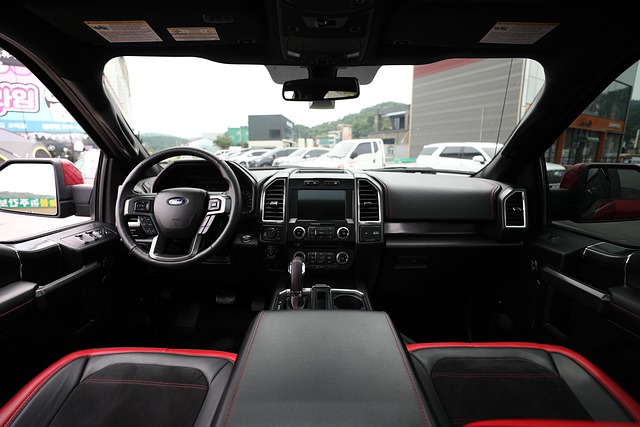
Registering a car in California involves several steps, but paying the required fees and receiving your registration papers is a crucial phase. Once you’ve gathered all necessary documents, including proof of ownership and insurance, it’s time to turn your attention to the financial aspects. The California Department of Motor Vehicles (DMV) charges specific fees for vehicle registration, which vary based on the type of vehicle and its age. These fees cover various services, including vehicle title processing, driver’s license issuance, and road usage taxes.
To ensure a smooth process, consider using a mobile VIN verifier during this stage. This technology allows you to verify your vehicle’s unique Vehicle Identification Number (VIN) digitally, providing instant and accurate data about the car’s history. A mobile VIN inspection can help identify any potential issues or discrepancies that might impact registration, such as outstanding recalls or previous accidents. By incorporating this modern tool into your preparation, you’re taking a proactive step to streamline the registration process.
After paying the fees, whether online or at a DMV office, you’ll typically receive your registration papers and license plates. It’s vital to review these documents carefully for accuracy and completeness. Double-check that the VIN on your registration matches the one listed in your vehicle’s title and service records. Should any discrepancies arise, promptly address them with the DMV to avoid future complications. Remember, accurate record-keeping, including proper VIN inspection using a mobile verifier, is key to maintaining compliance during your car’s lifetime.
By meticulously preparing your documents, understanding the requirements for a Vehicle Identification Number (VIN) verifier, and accurately completing the registration application at your local California DMV office, you’ve taken significant steps to ensure a smooth car registration process. These key insights empower you to navigate the procedure efficiently, leveraging the VIN verifier as a crucial component in verifying your vehicle’s authenticity. Armed with this knowledge, you’re now equipped to confidently register your car in California, reaping the benefits of a streamlined and legally compliant ownership experience.