
Registering a car in California involves understanding specific requirements and gathering essential documents. This comprehensive guide walks you through the entire process, from meeting DMV VIN verification standards to preparing your vehicle for inspection and visiting the California DMV office. We also cover post-registration steps like insurance, tags, and maintenance. Ensure a smooth experience by following these crucial steps, making it easier to navigate the car registration process in the Golden State.
- Understand the Requirements for Car Registration in California
- Gather Necessary Documents for DMV VIN Verification
- Prepare Your Vehicle for Inspection and Registration
- Visit a California DMV Office for VIN Verification and Registration
- Post-Registration Steps: Insurance, Tags, and Maintenance
Understand the Requirements for Car Registration in California

Before registering your car in California, it’s crucial to understand the requirements set by the Department of Motor Vehicles (DMV). One key step is ensuring a successful DMV vin verification, which involves checking the vehicle’s unique identifier—the Vehicle Identification Number (VIN). This process confirms that your car matches the information on record and helps deter fraud.
Additionally, for convenience, many California residents opt for a mobile VIN inspection or mobile VIN verification. These services allow you to get the necessary checks done from the comfort of your home or office, streamlining the registration process even further. By meeting these requirements upfront, you’ll ensure a smoother and faster car registration experience with the DMV.
Gather Necessary Documents for DMV VIN Verification

Before heading to the DMV for registration, make sure you have all the required documents for a successful dmv vin verification. This process is crucial to ensure the accuracy and legitimacy of your vehicle’s information. Gather the vehicle’s title, which is often provided by the previous owner, along with any applicable bills of sale or transfer documents. Additionally, bring along the vehicle identification number (VIN) label, usually located on the driver’s side door jamb, for a precise vin inspection.
If you’re unable to obtain these documents physically, consider using a mobile vin verifier service that can remotely extract and verify your VIN details. This alternative is especially useful if you’re dealing with out-of-state purchases or remote transactions, ensuring a smoother process during your California registration visit.
Prepare Your Vehicle for Inspection and Registration

Before you can register your car in California, it’s crucial to ensure your vehicle meets all necessary safety and environmental standards. The first step is to prepare for the DMV VIN verification process, which checks critical components like lights, brakes, horns, and emissions controls. A mobile vin inspection or vin inspection service from a trusted provider can help streamline this process by offering convenient, on-site services to verify your vehicle’s identity using its unique 17-character Vehicle Identification Number (VIN).
During the preparation phase, double-check that all documents related to ownership and registration are in order. This includes the title, registration papers, and any required emissions test results or exemptions. By having these documents readily available, you can save time during the registration process at the California DMV (Department of Motor Vehicles) and avoid potential delays or complications.
Visit a California DMV Office for VIN Verification and Registration
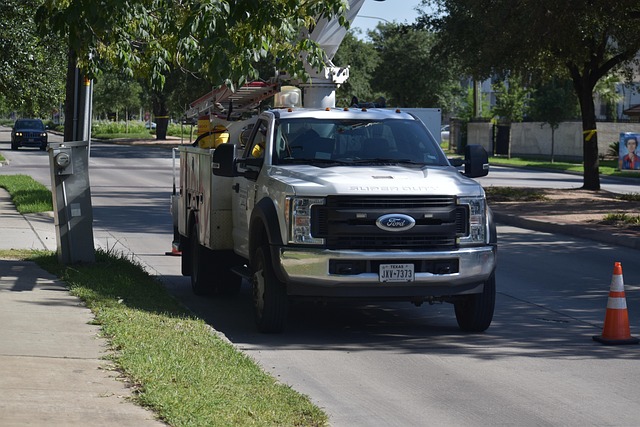
After gathering all your necessary documents, the next step in registering your car in California involves visiting a DMV office for VIN verification. This process ensures that your vehicle meets all safety and environmental standards set by the state. During this visit, you’ll need to present your proof of ownership, identification, and any other required documentation. A staff member will then perform a vin inspection, cross-referencing your vehicle’s unique identifier against their records to confirm its authenticity and condition.
A mobile vin verifier or alternative digital tools can also be used for this purpose, offering convenience for those who prefer not to visit a physical location. However, in-person vin verification remains a reliable and necessary step in the California car registration process, ensuring that all vehicles on the road meet safety standards and are properly documented.
Post-Registration Steps: Insurance, Tags, and Maintenance

After successfully registering your vehicle with the California DMV, there are a few crucial post-registration steps to complete to ensure your car is legally compliant and safe on the road. First, obtain auto insurance that meets the state’s minimum liability requirements. This protects you financially in case of an accident or damage to others’ property. Next, acquire the necessary vehicle tags, which serve as a visual indicator of your car’s registration status. These tags must be displayed prominently on your vehicle for law enforcement and other drivers to see.
Additionally, schedule regular maintenance checks to keep your car running smoothly and safely. Regular inspections can help identify potential issues before they become costly repairs or safety hazards. Consider using a mobile VIN verifier or conducting a vin inspection to verify the vehicle’s history, ensuring it hasn’t been reported as stolen or had previous damage not disclosed during registration. Staying on top of these post-registration tasks ensures your car remains compliant and roadworthy in California.
Registering your car in California involves understanding specific requirements, gathering essential documents, and undergoing DMV VIN verification. By preparing your vehicle for inspection and visiting a local DMV office, you’ll be on your way to completing the process. Once registered, remember to purchase insurance, display tags, and maintain your vehicle to ensure compliance with state regulations.