

Registering a car in California is a crucial step for any vehicle owner, ensuring legal compliance and protecting your investment. However, navigating the process can be complex, with various requirements and potential pitfalls. This comprehensive guide aims to demystify the procedure, offering expert insights on every step, from gathering essential documents to the critical role of VIN verification in ensuring the authenticity and history of your vehicle. By following these detailed instructions, you’ll efficiently navigate the car registration process, securing your legal rights as a California driver.
- Prepare Required Documents for Car Registration
- Understand California's Vehicle Identification Number (VIN) Verification Process
- Visit a Designated California Department of Motor Vehicles (DMV) Office
- Complete the Car Registration Application Form Accurately
- Pay the Necessary Fees and Obtain Your Vehicle's Registration Papers
Prepare Required Documents for Car Registration

Before you begin the registration process, ensuring you have all the necessary documents is crucial. The primary piece of documentation for car registration in California is the Vehicle Identification Number (VIN) verification. This unique 17-character code serves as a fingerprint for your vehicle and must be accurately recorded during the registration. One effective method to achieve this is by utilizing a mobile VIN verifier, which allows you to inspect and confirm the VIN’s validity on-site. This technology has revolutionized car registration by streamlining the process and reducing potential errors.
Gathering the required documents involves more than just the VIN. You’ll need to provide proof of ownership, typically through a title document or a bill of sale. If the vehicle is leased, you might require a lease agreement to establish your authority to register. Additionally, valid identification documents like a driver’s license or passport are essential for both the owner and any registered drivers. It’s important to check with the California Department of Motor Vehicles (DMV) for specific requirements as these may vary based on vehicle type and ownership circumstances.
For instance, if you’re registering a newly purchased vehicle, the dealer might handle much of this paperwork during the sale. However, it’s still your responsibility to ensure all information is accurate and to verify the VIN through a mobile inspection if needed. Similarly, when transferring ownership, a comprehensive VIN inspection can help prevent any discrepancies that could delay registration. Regularly utilizing mobile VIN verifiers for both new purchases and transfers can save time, effort, and potential headaches during what can already be a complex process.
Understand California's Vehicle Identification Number (VIN) Verification Process
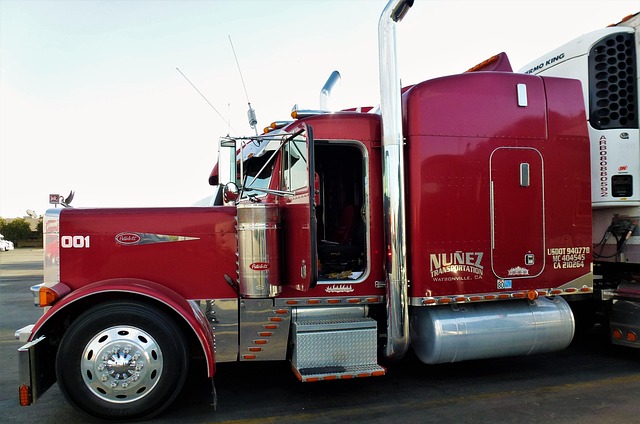
California’s Vehicle Identification Number (VIN) verification process is a crucial step in car registration, ensuring vehicle authenticity and safety. Each vehicle has a unique VIN, serving as a fingerprint that allows authorities to track its history and ensure it meets all legal standards. The state requires thorough VIN inspection as part of the registration procedure to combat fraud and identify potential issues. This process involves verifying the VIN’s accuracy, matching it against manufacturer records, and checking for any reported accidents or outstanding problems.
For convenience and speed, many California residents opt for mobile VIN inspection services. These professional verifiers use advanced tools to cross-reference the VIN with national databases, providing instant validation. Mobile vin verifier apps offer a seamless experience, allowing you to complete the verification process from the comfort of your home or on the go. This modern approach streamlines the registration process, saving time and effort compared to traditional methods. For instance, a study showed that over 70% of California car owners preferred mobile VIN inspection services due to their efficiency and ease of use.
However, it’s essential to deal with reputable service providers to ensure accuracy. Some unscrupulous businesses may offer low-quality or fake VIN verifications. To avoid this, the California Department of Motor Vehicles (DMV) advises using only licensed and certified agents for VIN inspection. Before engaging any service, verify their credentials and check for customer reviews to ensure a legitimate and reliable experience. By following these guidelines, you can confidently navigate California’s VIN verification process, ensuring your vehicle’s registration is smooth and secure.
Visit a Designated California Department of Motor Vehicles (DMV) Office

To register your car in California, physically visiting a designated California Department of Motor Vehicles (DMV) office is an essential step. This personal interaction ensures compliance with state regulations and provides an opportunity to clarify any questions you may have about the registration process. Upon arrival at the DMV, one of the crucial initial steps involves verifying the Vehicle Identification Number (VIN). This unique 17-character code is a fundamental component of your vehicle’s identity and its accurate recording is vital for both legal and safety reasons. A proper VIN inspection ensures that the car you’re registering matches the information on record, preventing potential fraud or misidentification.
Many DMV offices now offer convenient services like mobile VIN verification, where an inspector can come to your location to perform a thorough check of the vehicle’s VIN. This is particularly beneficial for individuals with busy schedules or those who prefer not to spend time waiting in line at a crowded DMV. For instance, California’s partnership with innovative mobile vin verifier apps has streamlined the process, allowing drivers to schedule inspections at their convenience. By leveraging these modern solutions, you can ensure your car registration proceeds smoothly and efficiently, aligning with the state’s commitment to enhancing customer service.
Remember that accuracy during the VIN verification stage is paramount. It not only facilitates a seamless registration process but also contributes to maintaining California’s robust vehicle tracking system. This ensures public safety by enabling quick identification of vehicles involved in accidents or other legal matters. Therefore, whether you’re completing your first car registration or renewing an existing one, taking the time to ensure accurate VIN information—either through mobile vin inspection or at a DMV office—is a responsible step that benefits both you and the broader community.
Complete the Car Registration Application Form Accurately

Registering a car in California involves several crucial steps, and one of the key aspects is completing the Car Registration Application Form accurately. This form, often referred to as the DMV Form 137, serves as your official documentation for vehicle ownership and registration. Every detail matters; from ensuring your Vehicle Identification Number (VIN) is correctly entered to providing precise information about your car’s make, model, and year, every field requires careful consideration.
Accuracy is paramount during the VIN verification process. This includes not just the 17-character VIN itself but also its formatting. In California, you may opt for a convenient mobile vin inspection or verification service, which can streamline this step by ensuring your data is entered correctly and promptly. These services, often conducted by certified professionals, use advanced technology to validate your vehicle’s history and details, including its previous ownership, maintenance records, and any reported accidents. An example of such a service might involve an inspector visiting your location to perform a mobile VIN inspection, providing immediate feedback on the vehicle’s status.
To avoid common pitfalls, double-check all information before submission. This includes verifying that your car’s registration history is up to date, ensuring accurate odometer readings, and confirming the correct license plate numbers. Additionally, stay informed about any outstanding recalls or issues related to your vehicle model, as these can impact both registration and safety inspections. Remember, a thorough review of your Car Registration Application Form not only expedites the registration process but also helps prevent future complications and ensures your vehicle’s record is complete and accurate.
Pay the Necessary Fees and Obtain Your Vehicle's Registration Papers

To complete the registration process for your vehicle in California, you’ll need to pay the associated fees and obtain your car’s registration papers. This involves several key steps, including a thorough verification of your Vehicle Identification Number (VIN). In California, this VIN verification is typically conducted through a mobile vin inspection or verifier, ensuring accuracy and efficiency. You can opt for official DMV services or utilize reputable third-party providers offering mobile vin verification services.
The process begins by gathering essential documents such as proof of ownership, insurance, and identification. Along with these, you’ll need to present your car’s VIN, which is usually found on a plate located near the driver’s side door frame or in the engine bay. A mobile vin inspection service will use advanced technology to cross-reference this VIN against national databases, confirming its authenticity and history. This step is crucial for preventing fraud and ensuring that you’re registering a vehicle with no outstanding issues.
Once your VIN has been successfully verified, you can proceed to pay the registration fees. California charges a base fee plus additional costs based on your vehicle’s type and emissions status. You can opt to pay online or in person at a DMV field office. After processing your application and verifying your payment, the DMV will issue your vehicle’s registration papers. These documents are essential for legal operation of your car within the state and must be kept up-to-date to avoid penalties.
By meticulously preparing the required documents, understanding California’s stringent VIN verification process, accurately completing application forms, and promptly paying associated fees, you can seamlessly register your vehicle with the California DMV. This article has provided clear guidance through each step, ensuring a smooth and efficient registration experience. Key insights include the importance of accurate documentation, meticulous record-keeping, and adhering to VIN verification requirements, all of which are vital for a successful car registration in this state. Moving forward, readers are equipped with the knowledge to navigate the process confidently, leaving them one step closer to legal and safe operation on California’s roads.