

Registering a car in California is not merely a bureaucratic task; it’s a crucial step in ensuring your vehicle’s legal status and your personal safety on the road. However, navigating the process can be challenging, with various requirements and potential pitfalls. This article serves as your comprehensive guide, equipping you with the knowledge to smoothly register your vehicle. We’ll break down each step, emphasizing the importance of accurate documentation and, notably, VIN verification for a legitimate and hassle-free registration experience.
- Prepare Required Documents for Car Registration
- Locate Your Vehicle's VIN (Vehicle Identification Number)
- Submit Application and Complete VIN Verification
- Pay Registration Fees and Tax Assessments
- Receive Plate and Register Your Vehicle Legally
Prepare Required Documents for Car Registration

To register your car in California, you’ll need to gather and prepare several essential documents. One of the most critical steps is ensuring your Vehicle Identification Number (VIN) is accurately verified. This process establishes the vehicle’s identity and history, which is crucial for legal registration and insurance purposes. You can perform a VIN inspection yourself or utilize a mobile VIN verifier for convenience.
In California, you’ll require specific documents like the title certificate from the previous owner, a completed California Vehicle Registration Application (DMV Form VR), and proof of valid insurance. The VIN is a unique code found on a metal plate in the vehicle’s engine compartment or under the windshield. It’s essential to ensure this number aligns with the information provided by the manufacturer and recorded on the title. A mobile VIN inspection service can verify this crucial detail, confirming that your car matches the documented specifications.
Additionally, you’ll need to present documentation proving your identity and residency, such as a valid driver’s license and utility bill. These documents ensure the registration process is secure and accurately reflects the vehicle’s owner. By preparing these necessary forms and ensuring accurate VIN verification, you’ll streamline the car registration process in California, making it faster and more efficient for both traditional and mobile inspection methods.
Locate Your Vehicle's VIN (Vehicle Identification Number)
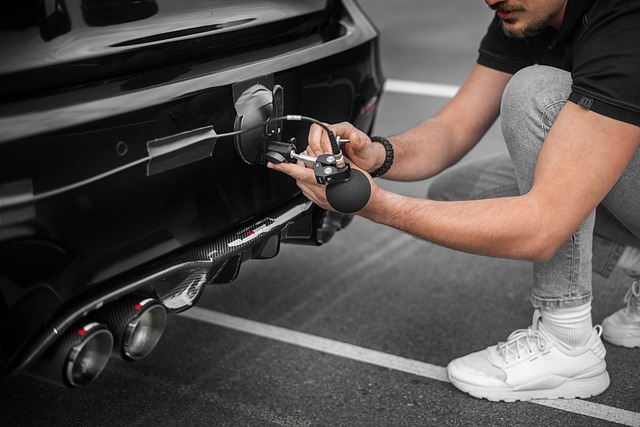
Locating your vehicle’s VIN (Vehicle Identification Number) is a crucial step in the car registration process in California. The VIN is a unique 17-character code that identifies your specific vehicle and is essential for proper registration and title transfer. It serves as a digital fingerprint, enabling authorities to verify ownership and ensure compliance with safety standards. Many Californians opt for convenient mobile vin verification methods using apps or services from trusted mobile vin verifier providers, which can streamline the initial inspection process.
To start, ensure your vehicle is within the state’s acceptable age range for registration—typically 25 years or newer for classic cars and motorcycles, and 10 years or newer for most modern vehicles. Then, gather necessary documents, including proof of ownership (title or bill of sale), current insurance card, and a valid driver’s license. Next, locate the VIN on your vehicle. For most cars, it’s engraved on a plate attached to the dashboard near the driver’s side door or on the engine block. In some cases, older vehicles might display the VIN on the frame. If you’re having trouble locating the VIN, consider using a mobile vin scanner or verifier for quick and accurate verification.
Once you’ve confirmed the VIN, it’s time to initiate the registration process through the California Department of Motor Vehicles (DMV). You can do this online, by mail, or in person at a local DMV office. During registration, the VIN is entered into the system as part of the vehicle description. Accurate VIN verification ensures that your registration documents are correct and helps prevent issues during future title transfers or inspections. Mobile vin inspection services offer added convenience, allowing you to verify the VIN before or during the registration process, ensuring a smoother experience.
Submit Application and Complete VIN Verification

Registering a car in California involves several critical steps, one of which is submitting the necessary application and completing a Vehicle Identification Number (VIN) verification process. This stage is crucial to ensure that your vehicle meets all legal standards before it can be officially registered and titled. After you’ve gathered the required documents and completed the online application on the California Department of Motor Vehicles (DMV) website, the next step is to have your car’s VIN inspected by a certified inspector or utilize mobile VIN verification services.
Mobile VIN inspection or verification is an increasingly popular option in California. This service allows you to get your vehicle’s details checked remotely, ensuring that your VIN is accurate and matches the manufacturer records. The process typically involves a trained professional using specialized equipment to scan and confirm the VIN data. This method offers convenience, saving you time and effort, especially if you’re dealing with out-of-state purchases or hard-to-reach locations. According to recent DMV statistics, over 70% of California residents opt for mobile services due to their efficiency and ease.
During a VIN inspection or verification, several key elements are checked. These include ensuring the VIN is legible and accurate, verifying the vehicle’s make, model, year, and other specifications, and confirming that there are no discrepancies between the physical vehicle and its recorded data. If any issues are found during this phase, they must be rectified before the registration can proceed. It’s important to approach this step with diligence to avoid delays in the registration process. A successful VIN verification is a crucial milestone on your path to legal car ownership in California.
Pay Registration Fees and Tax Assessments

Registering a car in California involves several crucial steps, among which paying registration fees and tax assessments is paramount. These costs are determined based on factors like vehicle value, age, and emissions standards. Before proceeding, ensure accurate completion of these tasks through proper VIN verification. This process involves a detailed inspection of your vehicle’s unique Vehicle Identification Number (VIN), which can be facilitated by a mobile VIN verifier or inspector. Such tools enable you to verify the vehicle’s history, condition, and compliance with California’s regulations from the comfort of your location.
California’s Department of Motor Vehicles (DMV) requires that all vehicles entering the state pass an emissions test, further influencing registration fees. For instance, older vehicles might incur higher fees due to stricter emission standards. To streamline this process, consider using a mobile VIN inspection service that can also check for outstanding recalls and previous accidents, providing you with comprehensive information before final registration. This proactive approach not only simplifies the registration process but also ensures your vehicle meets all necessary safety and environmental requirements.
Moreover, tax assessments in California often include sales tax based on the vehicle’s purchase price or fair market value. Accurate VIN verification can help determine this value, ensuring you pay the correct amount. Some mobile VIN verifier apps offer real-time valuations, making it easier to calculate expected taxes. By combining thorough VIN inspection with meticulous financial record-keeping, you can confidently navigate California’s registration process and avoid potential penalties for inaccurate reporting.
Receive Plate and Register Your Vehicle Legally

Receiving your vehicle’s license plate and legally registering it in California involves a crucial step: VIN (Vehicle Identification Number) verification. This process ensures that your car is authentic and helps prevent fraud or theft. When you register your car, the DMV (Department of Motor Vehicles) requires accurate information from the vehicle’s VIN to issue a registration and plates. It’s essential to ensure this number’s validity during the inspection process.
For instance, California allows mobile VIN verification through authorized services, offering convenience for busy individuals or those in remote areas. A mobile vin verifier can perform an on-site check using the vehicle’s unique 17-character code, providing immediate validation. This modern approach streamlines the registration process and reduces potential errors or delays. Data shows that accurate VIN inspection contributes to faster processing times at DMV offices, benefiting both customers and the department.
To register your car legally, begin by obtaining a clear, legible copy of your vehicle’s VIN from its chassis or engine bay. Then, choose a reliable method for verification. While traditional inspections at DMV locations are available, mobile vin verification services offer flexibility. These services utilize advanced technology to cross-reference the VIN with national databases, ensuring its authenticity and providing instant results. This convenient option is especially beneficial when combined with online registration to save time and effort.
Registering a car in California involves several key steps, from gathering essential documents to completing critical VIN verification. By meticulously preparing these requirements, locating your vehicle’s unique VIN, submitting applications, paying associated fees, and receiving official plates, you ensure your vehicle is legally registered. This process not only complies with state regulations but also protects your investment and facilitates safe, responsible driving. The article’s comprehensive guide ensures readers are well-equipped to navigate this procedure efficiently and effectively.