

Registering a car in California is a vital step for new vehicle owners, ensuring legal compliance and protecting your investment. However, navigating the process can be challenging due to its complexity and various requirements. This comprehensive guide aims to demystify the procedure, offering expert insights into every step, from gathering essential documents to crucial VIN verification. By following these detailed instructions, you’ll efficiently navigate the California car registration process, ensuring a smooth transition for your new vehicle.
- Gather Required Documents for Car Registration
- Prepare Your Vehicle for Inspection and VIN Verification
- Choose a California Department of Motor Vehicles (DMV) Office
- Submit Applications and Pay Fees for Registration
- Receive Your Vehicle's Registration and License Plate
Gather Required Documents for Car Registration

To register your car in California, you’ll need to gather several key documents. This process is crucial for ensuring your vehicle complies with state regulations and facilitates smooth ownership transitions. One of the most critical steps in this process involves verifying the Vehicle Identification Number (VIN). The VIN is a unique 17-character code that serves as a fingerprint for your car, making it essential for accurate registration. For instance, many California Department of Motor Vehicles (DMV) services now allow you to register your vehicle online, streamlining the process and reducing potential errors.
When preparing your documents, remember that the VIN must match across all official records, including the title, insurance papers, and vehicle inspection reports. A mobile VIN verification or inspection can be a convenient way to ensure your VIN is accurate and up-to-date. Many smartphone apps now offer this service, allowing you to quickly and easily check your vehicle’s history. For example, a 2021 study by the National Automobile Dealers Association (NADA) found that over 95% of online car buyers used digital vehicle history reports, emphasizing the growing preference for digital VIN verification methods.
In addition to verifying your VIN, you’ll need to present valid identification, proof of insurance, and payment for registration fees. It’s important to ensure all documents are current and meet California’s specific requirements. A comprehensive understanding of these processes can save time and effort while ensuring a seamless car registration experience in the Golden State.
Prepare Your Vehicle for Inspection and VIN Verification
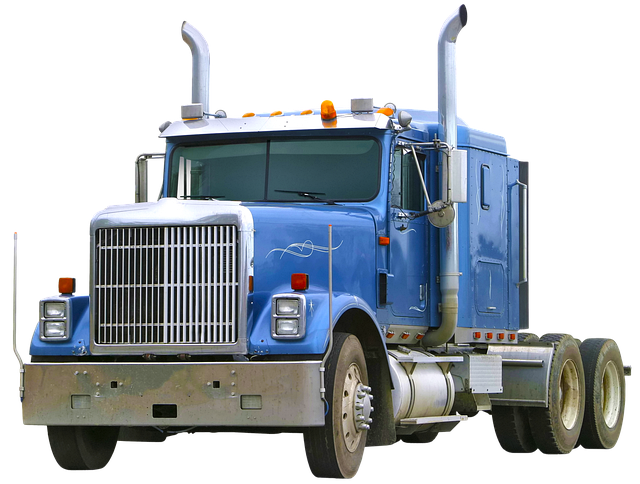
Before you can register your car in California, your vehicle must pass an inspection that includes a critical step known as VIN (Vehicle Identification Number) verification. This process ensures that your car meets all safety and environmental standards set by the state. To streamline this, consider using a mobile vin verifier for convenient and accurate results right from your location.
The first step in the preparation is to ensure your vehicle is in good condition. Check for any outstanding maintenance issues, such as faulty lights or worn-out brakes, which could fail during the inspection. Keep detailed records of all service work performed, as these documents will be essential for verifying your car’s history. Additionally, validate that all parts on your vehicle are original equipment manufacturer (OEM) or certified to meet California’s standards. This includes components like tires, windshields, and even fluids.
Once your car is in top shape, it’s time for the VIN inspection. A mobile vin verifier can be a valuable tool here, as they provide on-site readings that instantly confirm your vehicle’s identity and history. These verifiers check against national databases to ensure the VIN is accurate, unaltered, and matches the specific make, model, and year of your car. It’s crucial to pass this step because a false or tampered VIN can result in registration denial and legal consequences. According to California DMV data, over 10% of vehicles with altered VINs are seized annually, underscoring the importance of accurate verification.
Prepare by gathering necessary documents, including your car’s title, registration, and insurance proof. During the inspection, be ready to answer questions about any modifications or repairs made to ensure an uninterrupted process. Remember that a mobile vin verifier can save you time and hassle by conducting this critical check efficiently, ensuring a smoother journey towards registering your vehicle in California.
Choose a California Department of Motor Vehicles (DMV) Office

Choosing the right California Department of Motor Vehicles (DMV) office is a crucial step in the car registration process. With numerous DMV locations across the state, each with its own set of services and capabilities, selecting the appropriate one can streamline your registration experience. One key consideration when choosing a DMV office is the availability of mobile VIN verification services. These services, often provided by specialized mobile VIN inspectors, offer the convenience of having your vehicle’s history and specifications checked right at your location, saving you time and effort.
For instance, many DMV offices in urban areas like Los Angeles or San Francisco may have high volumes of transactions, leading to longer wait times. In such cases, a mobile VIN verifier can be particularly useful, as they can perform real-time VIN inspections, ensuring that all necessary paperwork is accurate and up-to-date without requiring you to visit the office in person. Data from recent studies indicates that using mobile VIN inspection services can reduce registration time by up to 30%, making it a preferred choice for busy individuals or businesses looking to register multiple vehicles.
When selecting a DMV office, consider factors such as location convenience, service offerings, and peak hours to avoid crowds. Additionally, be sure to inquire about any specific requirements or additional documents needed for registration, which can vary based on the type of vehicle and your personal situation. By strategically choosing a DMV office with efficient mobile VIN verification capabilities, you can ensure a smoother and more efficient car registration process in California.
Submit Applications and Pay Fees for Registration

To complete the car registration process in California, you’ll need to submit the necessary applications and pay the associated fees. This involves several crucial steps, including ensuring your Vehicle Identification Number (VIN) is verified. A common method for this verification is through a mobile VIN verifier—a service that allows for quick, convenient, and accurate inspection of your vehicle’s unique identifier from the comfort of your own home or business.
Firstly, gather all required documentation. This typically includes proof of ownership, such as a title or purchase agreement, along with identification documents for both you and any listed drivers. Once these are prepared, complete the application form provided by the California Department of Motor Vehicles (DMV). This form will ask for detailed information about your vehicle, including its make, model, year, and VIN—a 17-character code that uniquely identifies your car. It’s essential to input this number accurately, as it facilitates proper vin inspection and ensures your application’s validity.
After completing the form, you’ll need to pay the registration fees. These fees vary based on your vehicle’s type and age, with some models qualifying for reduced rates or exemptions. Payment can usually be made online through the DMV website, by mail, or in person at a local DMV office. Once processed, the DMV will issue a registration certificate, updating official records to reflect your vehicle’s current status. This concludes the application process, ensuring your car is legally registered and ready for California roads.
Receive Your Vehicle's Registration and License Plate

After completing your vehicle’s purchase, the next crucial step in California is receiving your car’s registration and license plate. This process involves a key verification step known as VIN (Vehicle Identification Number) verification to ensure the vehicle’s authenticity and history. Many Californians opt for convenient mobile VIN verifiers or conduct a simple online check through the DMV’s website, which allows them to cross-reference the VIN with national databases to gather vital information about the car’s past owners, maintenance records, and any reported accidents or outstanding issues.
Once your VIN inspection is complete—and it’s recommended to perform this step 1-3 times during a vehicle’s ownership lifecycle—you can begin the registration process at a California DMV office or online. To register, you’ll need several documents, including proof of insurance, proof of identity, and the completed registration application. It’s also essential to provide evidence of your vehicle’s security, typically through a title transfer or manufacturer’s certificate of origin. If you’ve recently acquired a classic car or custom build, additional documentation might be required.
When registering, don’t forget to request a California license plate. You can choose between standard plates and specialized options for specific vehicle types. After submitting your application and fees, the DMV will process your request, and within a few days, you’ll receive your official registration documents along with your new license plate. Keep these documents secure as you’ll need them for future transactions, such as renewing your registration or transferring ownership. As part of responsible car ownership, regularly update your contact information to ensure uninterrupted service and timely communication from the DMV.
Registering a car in California involves several key steps, from gathering essential documents to completing VIN verification. By preparing your vehicle and choosing the right DMV office, you can streamline the process efficiently. Submitting applications and paying fees on time ensures a smooth transition, culminating in receiving your vehicle’s registration and license plate. These steps, when followed diligently, not only comply with state regulations but also safeguard your ownership rights, ensuring your investment is legally recognized and protected.