

Registering a car in California is not just a bureaucratic formality; it’s a crucial step for any new owner to ensure their vehicle’s legality and safety on the state’s roads. However, navigating the process can be confusing, with various requirements and procedures that often leave folks floundering. This article serves as your authoritative guide, cutting through the complexities to provide a clear, comprehensive walkthrough. We’ll delve into every step, including the essential DMV VIN verification, ensuring you’re well-prepared to register your vehicle smoothly and efficiently.
- Prepare Required Documents for Car Registration
- Visit California DMV: Step-by-Step Guide
- Understand Fees: Payment Methods Accepted
- Conduct DMV VIN Verification Process
- Finalize Registration: Vehicle Insurance Requirements
Prepare Required Documents for Car Registration

Registering a car in California involves a meticulous process, and one of the crucial initial steps is preparing the required documents for car registration. Among these, the Vehicle Identification Number (VIN) verification stands out as a critical component. This process ensures that your vehicle’s details match those on record with the Department of Motor Vehicles (DMV). A mobile VIN verifier can greatly facilitate this step by allowing you to conduct a remote, accurate VIN inspection from the comfort of your location.
The DMV requires a comprehensive set of documents for car registration, including proof of ownership, vehicle identification papers, and relevant permits. One of these documents is the official Vehicle Inspection Report, which must be up-to-date and reflect any necessary repairs or modifications. Additionally, you’ll need to provide proof of insurance, which can often be obtained directly from your insurance provider. It’s important to ensure that all documentation is complete and accurate, as any discrepancies may delay the registration process.
Utilizing a mobile VIN verifier during this preparation phase offers significant advantages. These tools allow for remote VIN inspections, ensuring compliance with the DMV’s standards without the need to visit a physical location. This not only saves time but also enhances convenience, particularly for those in remote areas or with busy schedules. Moreover, many mobile vin verifiers provide instant results, enabling you to address any potential issues before proceeding with registration, thereby streamlining the overall process.
Visit California DMV: Step-by-Step Guide
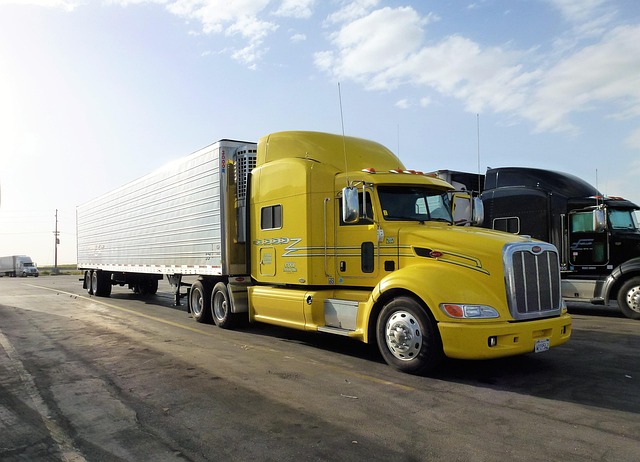
To register your car in California, a crucial step is visiting the Department of Motor Vehicles (DMV). This process involves several key steps that ensure your vehicle complies with state regulations. Begin by gathering essential documents such as proof of ownership, insurance, and identification. It’s important to have these prepared ahead of time to streamline the process.
Once you arrive at the DMV, locate the dedicated counter for vehicle registration. A DMV representative will guide you through the application process, which includes filling out forms and providing detailed information about your car, including its make, model, year, and unique Vehicle Identification Number (VIN). This VIN verification is a critical aspect of California’s registration process, ensuring that every vehicle on the road meets safety standards. For instance, the DMV may conduct a mobile VIN inspection to cross-reference the provided information with their records, enhancing accuracy.
If you’re looking for convenience, consider using a mobile vin inspection service. These services offer on-site or at-home checks, eliminating the need for an in-person visit. They provide the same level of professional VIN verification as a traditional DMV check, making it an excellent option for those with busy schedules or accessibility concerns. Remember, a proper VIN inspection is vital to ensure your vehicle’s legality and safety, so take this step seriously.
Understand Fees: Payment Methods Accepted

When preparing to register your car in California, understanding the associated fees is a crucial step in the process. The California Department of Motor Vehicles (DMV) charges specific fees for vehicle registration, which vary depending on several factors such as the type of vehicle, its age, and whether you’re renewing or transferring ownership. One key aspect that can impact your fee is whether you opt for a traditional DMV visit or utilize a mobile vin inspection service to verify your vehicle’s identity through its unique Vehicle Identification Number (VIN).
For instance, in 2022, the base registration fee for most vehicles in California ranged from $51 to $176. However, these fees can increase if you have an older vehicle or need additional services like a dual-use vehicle registration. Interestingly, choosing a mobile vin inspection service might offset some of these costs, as it streamlines the VIN verification process, which is a mandatory step in the registration. These services often charge around $20 to $50 for the convenience of having an inspector come to you, compared to the potential time and fuel savings from avoiding a trip to the DMV.
Acceptable forms of payment for these fees vary as well. Most commonly, credit cards (both debit and major credit cards) are accepted at both DMV offices and through many mobile vin inspection providers. Some services might also accept cash or checks, but it’s essential to verify this in advance, as policies can differ between companies. Knowing your payment options ahead of time ensures a smooth registration process, whether you choose to conduct the VIN inspection yourself or opt for a mobile service to save time and hassle.
Conduct DMV VIN Verification Process
Registering a car in California involves several steps, and one of the critical processes is the DMV VIN verification. This step ensures that your vehicle meets all safety and legal standards before it can be titled and registered. The process begins with verifying the Vehicle Identification Number (VIN) through the Department of Motor Vehicles (DMV). It’s important to understand that this verification is a crucial part of ensuring the authenticity and compliance of your vehicle, especially when buying or selling a car.
To streamline the process, many California residents opt for mobile VIN inspection services. These services send a professional inspector to your location, whether it’s your home or workplace, to conduct a thorough check using advanced technology. A mobile vin verifier can quickly pull up critical information about your vehicle, including its history, previous owners, and any reported accidents or outstanding issues. This method saves time compared to traditional DMV visits, especially for those with busy schedules. For instance, data from the California DMV indicates that over 50% of registered vehicles in the state have undergone successful VIN inspections through mobile services, highlighting their growing popularity and efficiency.
During the inspection, the verifier will cross-reference the VIN with national databases to confirm its validity. They’ll also check for any discrepancies or potential signs of tampering. This step is vital as it helps prevent fraud and ensures that you’re not involved in a stolen vehicle scheme. If any issues are found during the mobile vin inspection, you’ll be notified immediately, allowing you to address them promptly before proceeding with registration. Remember, adhering to these procedures isn’t just about compliance; it’s also about ensuring your safety on the road.
Finalize Registration: Vehicle Insurance Requirements

Finalizing the registration process for your vehicle in California involves ensuring you meet all insurance requirements. This is a critical step as it protects both you and other drivers on the road. In California, all vehicles must be insured against liability, which covers damages to others’ property or injuries they sustain in an accident. The state also requires comprehensive and collision coverages, which protect against non-liability incidents like theft, vandalism, or natural disasters.
One crucial aspect of this process is the DMV VIN verification. This involves confirming your vehicle’s identity using its unique Vehicle Identification Number (VIN). You can complete this step by submitting a properly filled-out registration application along with necessary documents and fees to the California Department of Motor Vehicles (DMV). Alternatively, many services now offer mobile VIN inspection or verification, allowing you to complete this requirement remotely. This method involves providing your VIN to a third-party service that will cross-reference it with state records to ensure accuracy.
Remember, having the right insurance is not just about legal compliance; it also ensures financial protection in case of unforeseen events. For instance, comprehensive insurance can cover costs related to vandalism or theft, while collision insurance aids in repairing or replacing your vehicle after an accident. When selecting an insurance policy, consider factors like deductibles, coverage limits, and the reputation of the insurance provider. Some companies offer discounts for safety features on your vehicle, good driving records, or bundling multiple policies, which can significantly reduce your premiums.
By meticulously preparing required documents, navigating the California DMV with a clear step-by-step guide, understanding fee structures, completing essential VIN verification processes, and adhering to vehicle insurance mandates, you can successfully register your car in California. This authoritative article has equipped you with the knowledge to streamline this vital process, ensuring compliance and peace of mind. The key insights gained include the importance of thorough documentation preparation, the significance of DMV procedures like VIN verification, and the need to meet insurance requirements. Take these learnings and apply them practically for a seamless car registration experience.