

Registering a car in California is a vital process ensuring roadworthiness and legal compliance. However, navigating the procedures can be daunting for new vehicle owners. This comprehensive guide aims to demystify the process, offering step-by-step instructions tailored to the Golden State’s requirements. From gathering essential documents to utilizing reliable resources like the DMV VIN verifier, we’ll equip you with the knowledge to streamline this task efficiently. Trust our expert advice to ensure a smooth and stress-free experience during your car registration journey.
- Gather Necessary Documents for Car Registration
- Prepare Your Vehicle's VIN (Vehicle Identification Number)
- Visit a California DMV Location or Use Online Services
- Complete the Registration Application Form Accurately
- Pay the Required Fees and Receive Your Registration Papers
Gather Necessary Documents for Car Registration

Registering a car in California involves gathering crucial documents to ensure a smooth process. One essential step is verifying the Vehicle Identification Number (VIN) through a reliable method like the DMV’s online VIN verifier or mobile vin verification services. This step is critical as it confirms the vehicle’s history and identity, which can prevent fraud and ensure you’re making an informed purchase.
For instance, California’s Department of Motor Vehicles (DMV) offers a convenient online tool to check a vehicle’s history using its unique VIN number. Additionally, some third-party services provide mobile vin inspection options, allowing you to verify the VIN digitally from the comfort of your home or even before visiting a DMV office. These tools check for accident reports, odometer readings, and previous ownership details, offering peace of mind during the registration process.
When gathering documents, ensure you have the vehicle’s title, which proves ownership, along with valid identification like a driver’s license. If purchasing from a dealership or private seller, request necessary paperwork, including any maintenance records or repair receipts. Using mobile vin verifier apps can expedite this process by digitizing and organizing important documents, making them readily accessible during registration.
Remember to keep these records secure until the registration is complete. Proper documentation not only simplifies car registration but also helps in future transactions, ensuring a seamless ownership experience from start to finish.
Prepare Your Vehicle's VIN (Vehicle Identification Number)

Registering a car in California involves several crucial steps to ensure your vehicle complies with state regulations. One of the critical initial tasks is preparing your vehicle’s Vehicle Identification Number (VIN). This unique 17-character code serves as a fingerprint for your car and is essential throughout the registration process, making it crucial to verify its accuracy before initiating registration.
Accurate VIN inspection is straightforward in California thanks to tools like the DMV’s online vin verifier or more readily available mobile vin verifiers. These tools cross-reference the provided VIN with manufacturer records, allowing you to confirm key vehicle details such as model year, make, and any reported history of damage. Ensuring your VIN matches the vehicle you intend to register is vital; otherwise, you may face delays or even legal complications down the line.
For instance, a discrepancy in VIN inspection could indicate a car that has been reconstructed after an accident, which California has strict regulations on. Using a mobile vin inspection app can be as simple as scanning a barcode displayed on your vehicle’s windshield. This convenient method ensures not only accuracy but also saves time for both you and the DMV. Once confirmed, this critical step positions you for a smoother registration process, setting a solid foundation for ownership of your California-bound vehicle.
Visit a California DMV Location or Use Online Services
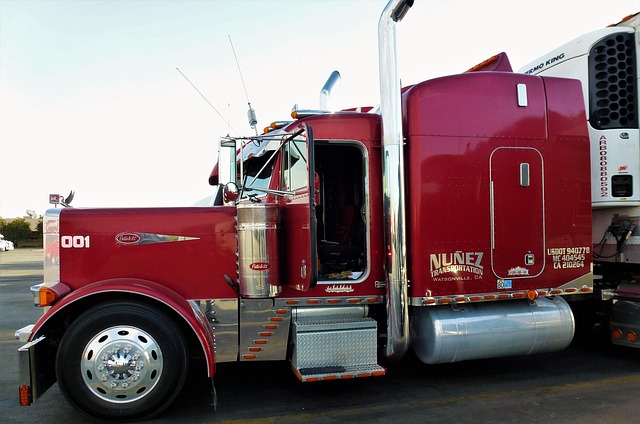
Registering a car in California involves several steps, but you have flexible options for completion. One of the traditional methods is to visit a local California DMV (Department of Motor Vehicles) location. Here, you’ll interact with a representative who will guide you through the process, ensuring all necessary documents are in order. They can also perform a DVV (Vehicle Identification Number) verifier service on-site to check the vehicle’s history and ensure it meets safety standards. This method is ideal for those seeking immediate assistance or requiring complex paperwork support.
Alternatively, California offers robust online services that streamline the registration process, including the option of using a mobile VIN verifier. By utilizing these digital tools, you can submit your application remotely, reducing time spent waiting in lines. The DMV’s website provides step-by-step guides and forms for electronic submission. For instance, a mobile VIN inspection app can be employed to check a vehicle’s history and identify any potential issues, giving you peace of mind before finalizing the registration. This is particularly beneficial for those familiar with technology and looking to save time.
For a seamless experience, some residents opt for third-party services offering mobile VIN verification. These professional services send an inspector directly to your location to complete the DVV check using state-of-the-art equipment. This option ensures accuracy and saves you the trouble of visiting a DMV office or waiting for online processing. Whether choosing in-person assistance, digital forms, or mobile inspection, California’s registration process aims to cater to diverse needs while maintaining vehicle safety standards.
Complete the Registration Application Form Accurately

To register your car in California, you’ll need to complete the Registration Application Form accurately. This process involves providing detailed information about your vehicle, including its make, model, year, and unique Vehicle Identification Number (VIN). Ensure every piece of data is correct; even a minor discrepancy can delay or deny registration. The California Department of Motor Vehicles (DMV) recommends using their official VIN verifier to cross-check these details. This tool, available online or through their mobile app, facilitates efficient and accurate VIN inspection.
For instance, if you’re opting for a mobile vin verification service, ensure the provider is reputable and uses up-to-date technology. Many companies now offer this service, allowing you to get your VIN inspected from the comfort of your home or office. This approach can save time compared to traditional methods like visiting a DMV field office or hiring a professional inspector. However, it’s crucial to verify that these mobile services provide reliable data and meet California’s standards.
Remember, the accuracy of your information is paramount. Inaccurate or incomplete VIN details could lead to delays in registration, potential fines, or even legal issues down the line. Always double-check your records, especially when using mobile vin inspection tools, to ensure every digit aligns with your vehicle’s official documentation.
Pay the Required Fees and Receive Your Registration Papers
After gathering all necessary documents and ensuring your car meets California’s requirements, the next step in registering your vehicle is paying the required fees. This includes the registration fee, a vehicle identification number (VIN) verifier cost, and any additional charges for special features or plates. The California Department of Motor Vehicles (DMV) offers various payment methods, including cash, credit cards, debit cards, and checks. It’s essential to have the correct amount readily available to streamline the process.
Once your fees are processed, the DMV will conduct a mobile VIN inspection, utilizing advanced technology for accurate VIN verification. This step is crucial to ensure the vehicle’s history aligns with the information provided. The inspector will cross-reference data from various sources, including national and local databases, to confirm the VIN details. If all checks out, the DMV will issue your registration papers, officially registering your car in California.
To facilitate this process, consider using a mobile VIN verifier service. These services offer convenient, on-site inspections, saving you time and effort by eliminating the need for an appointment at a DMV office. By embracing technology like mobile vin verification, you can make vehicle registration a smoother, more efficient experience.
Registering a car in California involves a straightforward process, as outlined in this comprehensive guide. The key to a successful registration lies in preparing the necessary documents, accurately recording your vehicle’s VIN using a DMV VIN verifier, and completing the application form with precision. By following these steps and ensuring all required fees are paid, you’ll receive your registration papers, legally entitling you to drive your vehicle within the state. This authoritative article equips readers with the knowledge needed to navigate this process confidently, emphasizing the importance of attention to detail and proper documentation for a smooth car registration experience.