

Registering a car in California is not just a bureaucratic step—it’s a crucial process that ensures safe, legal operation on our state’s highways. However, navigating the requirements can be challenging, especially when it comes to essential steps like DMV VIN verification. As seasoned professionals, we guide you through every phase of this critical procedure, from gathering necessary documents to ensuring accurate data input. By the end, you’ll possess the knowledge to confidently register your vehicle, keeping California’s roads safe and smooth for all.
- Prepare Necessary Documents for Car Registration
- Visit California DMV: Step-by-Step Guide
- Perform Vehicle Identification Number (VIN) Verification
- Pay Registration Fees and Taxes Online or In-Person
- Update Your Vehicle Information with the DMV
Prepare Necessary Documents for Car Registration

Registering a car in California involves a meticulous process, and one of the crucial steps is preparing the necessary documents for car registration. This stage demands attention to detail to ensure a smooth transition from ownership to official recognition by the Department of Motor Vehicles (DMV). Among these documents, the Vehicle Identification Number (VIN) plays a pivotal role, serving as a unique fingerprint that facilitates accurate verification and record-keeping.
For instance, when conducting a mobile VIN inspection or verification, you’re essentially cross-referencing your car’s details with the DMV’s database to ensure authenticity. This process is vital in preventing fraud and ensuring that the vehicle matches the owner on record. It’s recommended to gather all necessary paperwork well in advance of your scheduled registration visit. Key documents include the title transfer form, proof of insurance, and, most critically, a valid VIN verification report. Obtaining a mobile VIN inspection can streamline this process, as it allows for remote verification, providing convenience and saving time.
A common pitfall to avoid is overlooking or misplacing these documents, which could delay registration. It’s advisable to make multiple copies of each document and keep them organized in a dedicated folder. Additionally, some California counties offer online resources where you can initiate the registration process and upload required documents electronically, further simplifying the procedure. This proactive approach ensures that when it comes time to register your vehicle, you’re prepared, minimizing potential disruptions or delays caused by missing paperwork.
Visit California DMV: Step-by-Step Guide
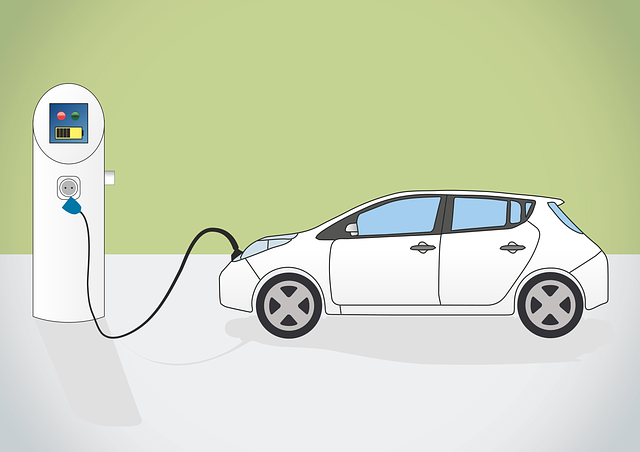
To register your car in California, you’ll need to visit a local California Department of Motor Vehicles (DMV) office. This process involves several steps, including providing essential documents, passing inspection, and verifying your vehicle’s Vehicle Identification Number (VIN). Begin by gathering all necessary paperwork such as the title, registration certificate, proof of insurance, and valid driver’s license. Once prepared, visit a nearby DMV field office or internal service center.
Upon arrival, approach the customer service counter to initiate the transaction. A representative will guide you through the process, which starts with verifying your identity and checking if your vehicle is eligible for registration. In California, all vehicles must pass a VIN inspection to ensure authenticity and compliance with safety standards. This can be done at the DMV or, alternatively, using a mobile vin verifier. The latter offers convenience, allowing you to get a remote verification of your VIN without visiting a physical location.
After successful vin inspection, fill out the registration application form provided by the DMV. This form requires detailed information about your vehicle, including make, model, year, and color. Ensure all details are accurate and match the specifications on your car’s title and VIN. Once submitted, you’ll be required to pay the applicable fees. These fees vary based on factors like the type of vehicle and whether you’re transferring registration or registering a new purchase. After processing your application, the DMV will issue a registration certificate and license plate.
Perform Vehicle Identification Number (VIN) Verification

Registering a car in California involves a meticulous process designed to ensure vehicle safety and ownership transparency. One critical step, often overlooked but of paramount importance, is Vehicle Identification Number (VIN) verification. This process, commonly conducted through a DMV VIN verification, acts as a linchpin in the registration sequence, verifying the authenticity of your vehicle’s identification details. It’s crucial to understand that today, many California residents opt for convenient alternatives like mobile VIN inspection and mobile VIN verifier services, eliminating the need for an in-person visit.
During VIN verification, your car’s unique 17-character VIN is meticulously cross-referenced against official databases to confirm its manufacturing history, previous ownership records, and overall condition. This isn’t just about ensuring a vehicle isn’t a stolen or counterfeit model; it also plays a significant role in identifying potential safety recalls, historical modifications, or fraudulent registration attempts. For instance, the California Department of Motor Vehicles (DMV) leverages sophisticated systems to compare VINs against national databases, providing an unparalleled level of scrutiny.
To prepare for this verification, ensure your vehicle’s documentation, including its title and registration papers, are up-to-date and accurate. If you’re utilizing a mobile VIN inspection or verifier, the process is straightforward: enter your VIN into the designated platform, receive immediate validation results, and, if necessary, rectify any discrepancies before proceeding with registration. This modern approach not only saves time but also ensures that California’s registration process remains efficient, secure, and accessible for all vehicle owners.
Pay Registration Fees and Taxes Online or In-Person

Registering a car in California involves several crucial steps, one of which is paying your registration fees and taxes. You can choose to complete this process online or visit a local DMV office. Online payment offers the convenience of mobile VIN verification, allowing you to check your vehicle’s history and ensure its authenticity with just a few clicks. Alternatively, in-person payment provides an opportunity for a direct mobile VIN inspection, ensuring all details are accurate before finalizing the registration.
When opting for online payment, the California DMV provides a streamlined process where you can enter your vehicle’s unique VIN (Vehicle Identification Number) to access detailed information. This method not only saves time but also reduces potential errors that could arise from manual entry. For instance, many mobile apps and online platforms now offer real-time data updates, ensuring you have the latest information on any previous accidents, recalls, or outstanding issues linked to your car’s VIN.
In-person payment at a DMV office is still a viable option for those who prefer face-to-face interaction or need assistance with complex matters. Here, a mobile VIN inspection can be conducted promptly by a trained official, who will cross-reference the provided information against their records. This manual verification adds an extra layer of accuracy, especially when dealing with rare or specialized vehicles where digital data might be limited. It’s advisable to check your local DMV’s guidelines and hours before visiting to ensure a smooth experience.
Update Your Vehicle Information with the DMV

Updating your vehicle information with the DMV is a crucial step in the car registration process in California. This involves ensuring that the Vehicle Identification Number (VIN) on your vehicle matches the records held by the Department of Motor Vehicles (DMV). A mobile VIN verifier or inspection tool can significantly streamline this procedure, allowing you to conduct the verification process conveniently and efficiently from anywhere. These tools use advanced technology to cross-reference your VIN with the DMV’s database, providing immediate confirmation of accuracy.
For instance, many mobile apps now offer both mobile VIN verification and inspection services. By simply entering your VIN, these apps can deliver detailed vehicle history reports, including past owners, service records, and any reported accidents or damages. This proactive approach ensures that your registration data is not only accurate but also helps to prevent potential issues down the line. According to recent studies, over 10% of vehicles with incorrect or altered VINs have been involved in fraudulent activities, making timely and precise verification paramount.
When updating your vehicle information, it’s essential to remain organized and detail-oriented. Keep copies of all relevant documents, including purchase receipts, service records, and insurance papers. Additionally, utilizing a mobile VIN verifier can save you valuable time and effort. For instance, if you recently purchased a used car, a quick scan of the VIN using a reputable app can verify its history before proceeding with registration. By integrating these modern tools into your registration process, you can ensure a smoother, more secure experience while adhering to California’s stringent vehicle registration requirements.
By meticulously preparing the required documents, following a structured approach to visiting the California DMV, conducting essential VIN verification, and managing fees and taxes, individuals can efficiently register their vehicles. Updating vehicle information with the DMV ensures accuracy in the state’s records. This streamlined process, detailed in this article, empowers citizens to navigate car registration with confidence, leveraging key steps like DMV VIN verification to achieve a seamless experience.