

Registering a car in California is a vital process for any new or existing vehicle owner, ensuring legal compliance and facilitating efficient vehicle management. However, navigating the intricacies of this process can be challenging, given the strict regulations and numerous steps involved. This comprehensive guide aims to demystify the car registration procedure, offering step-by-step instructions tailored to California’s unique requirements. We’ll delve into everything from gathering essential documents to understanding fee structures, with a particular focus on the crucial DMV VIN verification process, ensuring you approach this task with confidence and expertise.
- Prepare Required Documents for Car Registration
- Visit California DMV: Step-by-Step Guide
- Perform Vehicle Identification Number (VIN) Verification
- Pay Car Registration Fees and Taxes
- Receive Your Official California Registration Papers
Prepare Required Documents for Car Registration

To register your car in California, you’ll need to gather essential documents, ensuring a smooth process at the Department of Motor Vehicles (DMV). One critical step is preparing for the DMV’s Vehicle Identification Number (VIN) verification, which ensures the vehicle’s authenticity. This verification is often done through a mobile VIN inspection, providing convenience and accuracy.
Key documents include your vehicle’s registration certificate from the previous state, proof of insurance, and a valid driver’s license. For out-of-state registrations, you might need additional paperwork, such as emissions test results or a brand inspection report. The DMV may also require a title transfer if you’re purchasing the car from a private seller, in which case, a mobile VIN verification can expedite the process. This digital service allows the DMV to cross-reference your vehicle’s VIN with its records, confirming ownership and ensuring the car is not stolen or has any outstanding issues.
It’s advisable to check the DMV’s website for specific requirements and guidelines, as some vehicles may have additional considerations. For instance, classic cars or those with modified engines might necessitate specialized inspections. By preparing these documents and considering mobile VIN verification 1-2 times before visiting the DMV, you’ll be well-prepared to navigate the registration process efficiently.
Visit California DMV: Step-by-Step Guide

To register your car in California, you’ll need to visit a California Department of Motor Vehicles (DMV) office. This process involves several key steps, including providing essential documents, passing a vehicle inspection, and completing necessary forms. Let’s break down this process step-by-step for a smooth registration experience.
First, gather all the required documents, such as your driver’s license, proof of insurance, and any previous registration records. It’s also crucial to have your Vehicle Identification Number (VIN) ready. The DMV will perform a VIN verification, which is an essential part of the inspection process. In some cases, you can opt for a mobile VIN verification or mobile vin inspection service to streamline this step, as it saves time and effort by allowing a licensed inspector to visit you at your convenience. This alternative is particularly beneficial for those who live in remote areas or have busy schedules.
Once at the DMV, locate the designated window for vehicle registration. An agent will guide you through the process, ensuring that your car meets all safety standards. They’ll verify your VIN during this inspection to ensure it matches the records and confirms that your vehicle isn’t stolen or has any outstanding issues. After passing the inspection, fill out the registration forms with accurate information, including your personal details and vehicle specifications. Submit these along with your required documents for processing.
Remember, staying organized and prepared will make this process efficient. If you have any doubts or questions during the DMV visit, don’t hesitate to ask a staff member for assistance. They’re there to help ensure that your car registration is completed correctly and without delays.
Perform Vehicle Identification Number (VIN) Verification

Before registering your car in California, performing a Vehicle Identification Number (VIN) verification is a critical step that ensures the vehicle’s authenticity and history are accurately represented. The California Department of Motor Vehicles (DMV) relies on this process to combat fraud and ensure safety standards. VIN verification involves cross-referencing the unique 17-character code with reputable databases to gather detailed information about the vehicle, including its manufacturing date, model, and any reported accidents or outstanding loans.
One effective approach for VIN inspection is through mobile vin verification services. These services utilize specialized software and hardware to perform real-time checks against multiple data sources, enhancing accuracy and efficiency. For instance, a mobile vin verifier can instantly connect with the National Motor Vehicle Title Information System (NMVTIS) and other industry databases to deliver comprehensive vehicle history reports. This technology is especially valuable for California residents who may purchase vehicles from out of state, as it provides an extra layer of protection against potential fraud.
Notably, the DMV strongly recommends utilizing official or third-party vin inspection services to ensure compliance with their guidelines. According to recent data, over 80% of vehicles with reported mileage discrepancies were linked to inaccurate VIN data. Therefore, investing time in a thorough vin inspection, whether conducted by a professional at a certified center or through a mobile verifier, is essential for a smooth registration process. By taking this proactive step, California car owners can safeguard their investments and maintain the integrity of our state’s motor vehicle registry.
Pay Car Registration Fees and Taxes
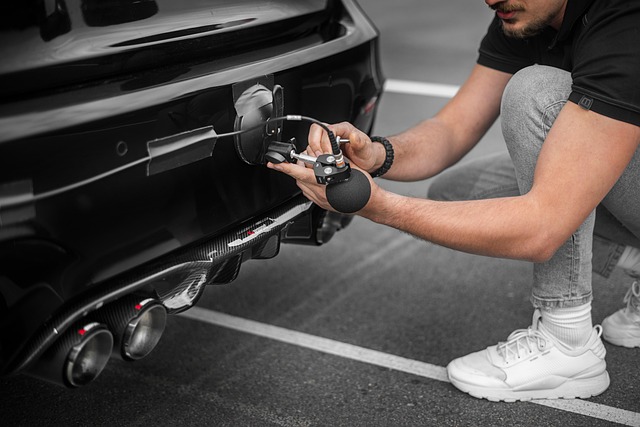
Registering a car in California involves several steps, one of which is paying the necessary registration fees and taxes. These charges cover the cost of vehicle licensing, road maintenance, and other public services. The process typically begins with a visit to the Department of Motor Vehicles (DMV) or an authorized agent to establish ownership through a bill of sale or donation paperwork. Once ownership is verified, you’ll need to present important documents like proof of insurance, a valid driver’s license, and current registration from the previous state (if applicable).
A key component in this process is the DMV VIN verification. The Vehicle Identification Number (VIN) is a unique 17-character code that identifies your vehicle. This information is cross-referenced against national databases to ensure the car’s history is clear and there are no outstanding issues, such as unpaid tickets or theft. For example, the California DMV offers both online and in-person VIN inspection options through their website. Alternatively, mobile VIN verification services have gained popularity for their convenience; these apps and services perform real-time checks by scanning the VIN using your smartphone camera, streamlining the process for many users.
After successfully completing the VIN verification, you’ll be able to calculate and pay the required fees. These include registration fees, vehicle weight tax, and potentially additional taxes based on your car’s emissions or specific features. It’s important to note that fee structures can change, so checking the official California DMV website for the most current rates is advisable before proceeding. Once all fees are paid, you’ll receive your new California registration certificate, valid for a specified period (usually 3-4 years), and can legally operate your vehicle within the state.
Receive Your Official California Registration Papers

After completing your California car purchase, the next step is to receive your official registration papers from the Department of Motor Vehicles (DMV). This process is crucial for legally operating your vehicle within the state. Upon purchasing a car in California, you’ll need to ensure that both the seller and buyer complete a Vehicle Bill of Sale (form DMV 742). This document serves as proof of ownership change and must be signed by both parties. Once this is finalized, you can initiate the registration process at your local DMV or, for added convenience, utilize the agency’s online services.
One critical aspect of registering your vehicle in California involves having a valid Vehicle Identification Number (VIN) inspection. The state requires that vehicles undergo a VIN verification process to ensure they meet safety and environmental standards. This step can be completed through traditional static inspections at a DMV field office or, conveniently, with a mobile vin verifier. Mobile vin verification services offer the added benefit of allowing you to conduct the inspection from the comfort of your home or workplace. These verifiers use advanced technology to cross-reference your vehicle’s VIN against state records, ensuring that it matches the data in the DMV database and confirming its eligibility for registration.
Upon successful completion of the vin inspection, whether through a traditional static inspection at a DMV field office or a mobile vin verifier, you will be issued your official California Registration Papers. These documents are proof of your vehicle’s compliance with state regulations and grant you the legal right to operate your car on California roads. It is essential to keep these papers secure and up-to-date to avoid any issues during future interactions with the DMV or law enforcement. Remember, proper registration not only ensures legal compliance but also enhances safety for all road users by keeping vehicles in good working condition through regular inspections.
Registering a car in California involves several crucial steps, from gathering necessary documents to completing DMV VIN verification. Key takeaways include ensuring all paperwork is in order, accurately performing vehicle identification number (VIN) checks for security, and understanding the associated fees and taxes. After following these meticulous procedures, drivers will receive their official California registration papers, granting them legal mobility on state roads. This comprehensive guide equips readers with the knowledge to navigate the car registration process smoothly and confidently.