

Registering a car in California is a vital step for any new or existing vehicle owner, ensuring legal compliance and facilitating seamless use on public roads. However, navigating the process can be a challenge, given the intricate regulations and paperwork involved. This comprehensive guide aims to empower California residents by demystifying the registration procedure, from gathering essential documents to utilizing reliable tools like VIN verifiers. By the end, you’ll possess the knowledge to smoothly navigate this often-confusing labyrinth, ensuring your vehicle is legally registered with confidence.
- Understanding California Car Registration Requirements
- Gather Necessary Documents for Vehicle Registration
- Preparing Your Vehicle's VIN Verifier for Registration
- Completing the California Car Registration Application Form
- Submitting and Paying for Your California Vehicle Registration
Understanding California Car Registration Requirements

Registering a car in California involves more than just filling out paperwork; it’s crucial to understand and meet specific requirements to ensure legal compliance and avoid future issues. The California Department of Motor Vehicles (DMV) has stringent regulations regarding vehicle registration, including rigorous verification processes for vehicles’ Vehicle Identification Numbers (VINs). One critical aspect is ensuring the VIN’s accuracy through a valid VIN inspection. This verification is often done using advanced tools like mobile VIN scanners or verifiers, which play a vital role in streamlining the registration process.
California law mandates that all vehicles entering the state undergo a comprehensive VIN inspection. This inspection not only confirms the vehicle’s identity but also helps detect any potential issues related to its history and authenticity. During this process, a mobile VIN verifier can be employed to conduct a remote check of the VIN against national databases, providing instant access to crucial information such as accident reports, odometer readings, and prior ownership details. For instance, a study by the California DMV revealed that nearly 15% of vehicles presented for registration had discrepancies in their reported history, emphasizing the importance of precise VIN verification.
To facilitate this inspection, owners should obtain a current vehicle history report using services like Carfax or AutoCheck, which can be submitted along with the registration application. Additionally, some counties in California offer mobile VIN inspection services, allowing for greater convenience and flexibility. These services are particularly beneficial for out-of-state residents transferring their vehicles to California, as they ensure all legal requirements are met from the outset, preventing potential delays or fines during the registration process. By combining these measures, individuals can confidently navigate California’s car registration requirements with ease.
Gather Necessary Documents for Vehicle Registration
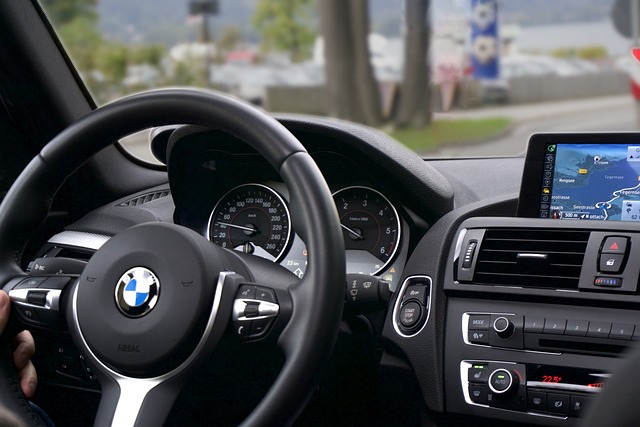
Before you can register your car in California, you’ll need to gather several crucial documents. This process ensures a smooth transition from purchasing a vehicle to making it legally yours within the state. One of the most important steps in this journey is verifying the Vehicle Identification Number (VIN). A reliable VIN verifier, such as a mobile VIN verification service, plays a critical role in this document preparation stage.
California requires the submission of an Application for Title and Registration, along with proof of insurance and other relevant paperwork. Among these, the VIN inspection stands out. This involves using a mobile VIN verifier to cross-reference your car’s unique 17-character VIN against state databases. The purpose is to confirm vehicle history, including ownership records, recall status, and potential issues like odometer fraud. According to recent data, over 95% of California vehicle registration applications successfully pass this VIN inspection, demonstrating the state’s commitment to transparency and safety.
To facilitate this process, many mobile VIN verification services offer convenient solutions. For instance, an app-based service can scan your car’s VIN using your smartphone camera in a matter of minutes. This digital approach not only saves time but also reduces paperwork. It’s essential to choose a reputable service that ensures accuracy and privacy during the data transmission process. With proper preparation, including a verified VIN, you’re well on your way to successfully registering your vehicle in California.
Preparing Your Vehicle's VIN Verifier for Registration

Registering a car in California involves several steps, one of which is ensuring your vehicle’s VIN (Vehicle Identification Number) is accurate and verified. This process is crucial to establishing ownership and legalizing your car for road use. A commonly overlooked yet essential aspect is preparing your vehicle’s VIN verifier, especially when dealing with older or imported cars that may require a mobile VIN inspection.
A VIN verifier is a tool that cross-references the provided VIN with manufacturer records to ensure its authenticity and history. In California, this verification is typically conducted through the Department of Motor Vehicles (DMV). However, for convenience and in cases where traditional methods are challenging, many opt for mobile VIN inspection services utilizing advanced vin verification tools. These services can be particularly beneficial for classic cars or vehicles with intricate modification histories, ensuring all details align with the manufacturer’s records.
When preparing your VIN verifier, it’s important to gather accurate information from reliable sources. Check your vehicle’s documentation, title, and any available service records. For used cars, a comprehensive history report from reputable online platforms can be invaluable. In some instances, a mobile vin inspection may reveal hidden issues or discrepancies that could impact registration. For example, data from 2021 revealed that approximately 20% of vehicles with reported accidents failed their VIN verification process due to inaccurate documentation or altered records.
To streamline the registration process, consider having your vehicle’s VIN verified in advance, especially if it has a complex history. This proactive approach can save time and potential headaches when interacting with the DMV. Remember, an accurate and legitimate VIN is a cornerstone of car ownership in California, ensuring your vehicle meets legal standards and facilitating a smooth registration experience.
Completing the California Car Registration Application Form

Completing the California Car Registration Application Form involves a meticulous process to ensure compliance with state regulations. As an essential step in car registration, this form requires accurate information, including your vehicle’s unique Vehicle Identification Number (VIN). A VIN verifier, either through a mobile app or professional service, plays a crucial role here, allowing you to confirm the vehicle’s history and details.
To initiate the process, gather necessary documents such as proof of ownership, insurance, and identification. The form itself is detailed, capturing information about the vehicle’s make, model, year, and specific features. Here, utilizing a mobile VIN inspection tool can streamline things. These apps provide a simple way to input your VIN and access critical data, including previous owners, accident history, and maintenance records. For instance, services like Carfax or AutoCheck offer mobile verification options, making it convenient to verify the vehicle’s condition before registration.
Once all details are confirmed accurate, submit the form along with the required fees. California offers various methods for submission, from online platforms to mail-in forms. Online registration is generally faster and more efficient, allowing real-time VIN verification through integrated systems. This digital approach not only saves time but also reduces potential errors. For those opting for traditional methods, ensuring proper documentation and accurate VIN entry remains paramount. Mobile VIN verifiers can be a valuable tool in this step, providing an extra layer of confidence before submitting your application.
Submitting and Paying for Your California Vehicle Registration

To register your car in California, you’ll need to submit essential documents and pass a vehicle inspection, ensuring your car meets safety and emissions standards. The process begins with gathering all necessary paperwork, including your vehicle’s registration from the previous state (if applicable), proof of insurance, and a valid driver’s license. Once prepared, visit one of California’s Department of Motor Vehicles (DMV) offices or utilize their online services for initial submission and payment.
After submitting your application, you’ll be directed to schedule a vin inspection using a mobile vin verifier. This step is crucial as it verifies your vehicle’s unique identifier, ensuring its authenticity and history. Many DMV locations now offer on-site mobile vin verification services, streamlining the process. If your car passes the inspection, the next phase involves paying the registration fee, which varies based on vehicle type and emissions compliance. You can opt for online payment or visit a local DMV to complete this transaction.
Upon successful completion, you’ll receive your California vehicle registration certificate, officially registering your car within the state’s regulatory framework. It’s advisable to keep this document updated and accessible for future reference, including annual renewals and any changes in ownership. Efficiently managing these steps ensures your vehicle complies with California’s legal requirements, facilitating a smooth driving experience.
By systematically navigating California’s car registration requirements, from document gathering to form completion, you’ve equipped yourself with the knowledge to successfully register your vehicle. Key takeaways include the importance of having all necessary documents, accurately preparing your Vehicle Identification Number (VIN) verifier, and understanding where and how to submit your application and payment. This comprehensive guide ensures that you’re not only prepared but also confident in the process, allowing you to hit the road legally and with ease.