

Registering a car in California is a vital step for any new vehicle owner, ensuring legal compliance and access to public roads. However, navigating the process can be challenging, with various requirements and paperwork involved. This comprehensive guide aims to demystify the car registration journey, offering a clear roadmap for success. We’ll detail each step, from gathering essential documents to understanding fees, and even highlight the critical role of DMV VIN verification in ensuring a seamless experience. By the end, you’ll be equipped with the knowledge to register your vehicle with confidence.
- Gather Necessary Documents for Car Registration
- Prepare Your Vehicle for DMV Inspection (including VIN Verification)
- Navigate Online or In-Person Registration Process at the DMV
- Complete Required Fees and Tax for Car Registration in California
- Maintain Your Registered Vehicle's Records and Insurance
Gather Necessary Documents for Car Registration

Before registering your car in California, you must gather essential documents to ensure a smooth process. The California Department of Motor Vehicles (DMV) requires specific paperwork for vehicle registration, including proof of ownership and identification. One critical step is to obtain a Vehicle Identification Number (VIN) verification, which can be done through a DMV vin verification or mobile vin verifier. This process confirms the vehicle’s authenticity and helps prevent fraud.
For instance, when importing a car into California, you’ll need a completed customs form, bill of sale, and a clean vehicle history report from services like Carfax or AutoCheck. Additionally, your registration application must include your driver’s license or state ID along with any other necessary documents such as proof of insurance and emissions test results (if applicable). It’s crucial to check the DMV’s website for the most up-to-date list of required documents specific to your vehicle type and circumstances.
Mobile vin verification services offer a convenient alternative to traditional DMV visits. These tools allow you to perform a VIN inspection remotely, providing real-time data on the vehicle’s history, including accident reports, title records, and odometer readings. This method saves time and effort while ensuring compliance with California’s registration requirements. For example, services like AutoCheck and Carfax offer mobile apps that guide users through the verification process, making it accessible for all car owners.
Prepare Your Vehicle for DMV Inspection (including VIN Verification)
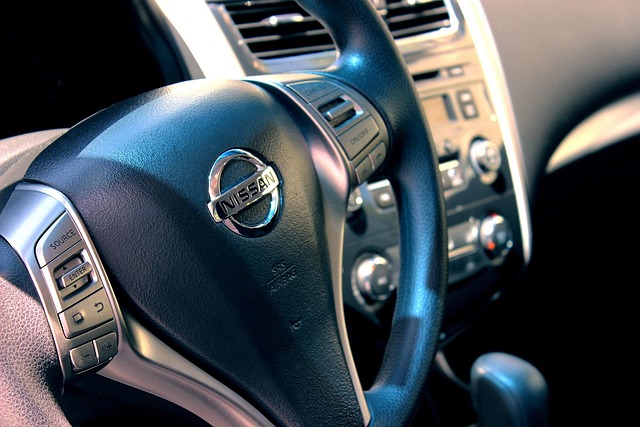
Before registering your car in California, ensure your vehicle meets the state’s safety and emissions standards by preparing for a crucial step: DMV vin verification. This process involves a thorough inspection of your car’s Vehicle Identification Number (VIN), which acts as a unique fingerprint for your vehicle. The California Department of Motor Vehicles (DMV) relies on this verification to ensure the authenticity and history of the vehicle you’re submitting for registration.
For many vehicle owners, the mobile vin verification process is a convenient and efficient alternative to traditional inspections. This method allows DMV inspectors or authorized agents to remotely access your car’s VIN data through specialized software and a device like a smartphone or tablet. By comparing the displayed information with the physical components of your vehicle, they can confirm its identity and condition. For instance, mobile vin inspection can uncover important details such as accident history, outstanding recalls, and previous ownership records, all of which play a role in determining your car’s eligibility for registration.
During the preparation phase, double-check that your vehicle’s VIN plate is clear, readable, and undamaged. This plate typically resides on the driver’s side of the dashboard or near the windshield. If it’s obscured or worn out, consider replacing it to facilitate a smoother vin verification process. Remember, accuracy during this step ensures a seamless transition to the registration phase. Whether you’re opting for traditional or mobile vin verification, ensuring your car is in good standing with no outstanding issues will significantly enhance your chances of a successful registration in California.
Navigate Online or In-Person Registration Process at the DMV

Navigating the car registration process in California can seem daunting, but understanding the options available—especially when it comes to completing the DMV VIN verification—can make all the difference. The state offers both online and in-person registration methods, each with its own advantages. For those seeking convenience, the online option allows you to start the registration from the comfort of your home, saving time by eliminating waiting periods at the DMV. This digital approach is particularly useful when dealing with issues like a lost title or out-of-state registration transfer, as it streamlines these complex processes.
On the other hand, visiting a DMV office remains a viable and sometimes necessary option. In-person registration offers immediate feedback and ensures that all required documents are accurately verified. It’s ideal for straightforward registrations without any complications. Moreover, many California DMV offices now provide mobile VIN verification services, allowing you to get important inspections done quickly at your location, be it home or work. This flexibility is a game-changer for busy individuals who prefer to avoid long queues and paperwork.
When conducting the VIN inspection, whether through mobile vin verification or at a DMV, ensure that all details match across vehicle documents and the VIN on the car itself. Accuracy is paramount during this critical step. In California, it’s essential to pass this verification process before securing your registration. Data shows that proper VIN inspection can help prevent fraud, ensuring only legitimate vehicles are registered—a significant aspect of maintaining road safety and security.
Complete Required Fees and Tax for Car Registration in California

Registering a car in California involves several steps, and one of the critical stages is completing the required fees and tax for car registration. After gathering all necessary documents, including proof of insurance and ownership, you’ll need to visit the California Department of Motor Vehicles (DMV) or utilize their online services to proceed with the process. The DMV will conduct a Vehicle Identification Number (VIN) verification as part of their inspection to ensure the vehicle’s authenticity and compliance with emissions standards. This step is crucial in preventing fraud and ensuring road safety, emphasizing the significance of accurate VIN documentation.
The fees for car registration in California vary based on several factors, such as the type of vehicle, its age, and emission levels. As of recent updates, a typical registration fee might range from $50 to $200, depending on your vehicle’s characteristics. Additionally, a smog test or emissions inspection is required for most vehicles, with associated costs varying between $30 and $100. For older models or those with higher emissions, the expenses could be more substantial. It’s advisable to check the DMV website or contact a local office for the latest fee structures and any applicable discounts or exemptions.
One practical approach to streamline the process is availing of mobile VIN verification services. These services allow you to obtain a digital inspection report from the comfort of your home or office. A mobile vin inspection ensures that your vehicle’s history, including any reported accidents or outstanding issues, is accurately verified before registration. For instance, some companies offer real-time data access, enabling you to make informed decisions about your car’s condition and potential costs associated with registration. This method not only saves time but also adds an extra layer of convenience and transparency to the overall process.
Maintain Your Registered Vehicle's Records and Insurance

Maintaining accurate records and up-to-date insurance is a crucial aspect of car ownership in California, ensuring your vehicle complies with state regulations and remains protected. The California Department of Motor Vehicles (DMV) plays a vital role in this process, offering various services to facilitate registration and record-keeping. One efficient method for many owners is utilizing mobile VIN verifiers, which allow for convenient and accurate verification of your vehicle’s identification number (VIN). This technology ensures that the DMV can cross-reference critical data, including ownership history, recall notices, and insurance status, against their records.
Regularly updating your vehicle’s registration and insurance details is essential to avoid penalties and maintain legal compliance. In California, the DMV encourages owners to keep their information current by providing reminders and online access to registration renewals. For instance, a study found that timely registration renewals can significantly reduce the administrative burden on both the DMV and its customers, streamlining the overall process. Moreover, maintaining proper records is beneficial when selling or trading your vehicle, as it simplifies the transfer of ownership and ensures a smooth transition.
In addition to formal inspections at designated stations, some mobile vin inspection services now offer remote verification, further enhancing convenience. This service allows owners to get their VIN inspected from virtually anywhere, ensuring that critical data associated with their vehicle remains accurate and accessible. By embracing these modern solutions, California drivers can efficiently manage their registration while staying informed about their vehicle’s history, ultimately contributing to a safer and more organized automotive landscape.
By meticulously gathering all necessary documents, preparing your vehicle for a successful DMV inspection, including completing dmv vin verification, and understanding both online and in-person registration options, you’ve equipped yourself with the knowledge to navigate California’s car registration process efficiently. Completing required fees and taxes on time ensures legal compliance, while maintaining up-to-date records and insurance documentation safeguards your investment. This comprehensive approach, outlined in this authoritative article, empowers you to confidently register and maintain your vehicle according to California regulations.