

Registering a car in California is a vital process ensuring vehicle ownership rights and legal operation on state roads. However, navigating the bureaucratic hurdles can be daunting for new owners, often leaving them unsure of where to begin. This comprehensive guide aims to demystify the registration process, offering step-by-step instructions tailored to California’s unique requirements. From gathering essential documents to utilizing reliable VIN verifiers, we’ll equip you with the knowledge to streamline this crucial task, ensuring a smooth transition into California’s automotive landscape.
- Prepare Required Documents for Car Registration
- Gather Vehicle Identification Number (VIN) Verifier Information
- Visit California Department of Motor Vehicles (DMV) Office
- Complete Car Registration Application Form Accurately
- Pay Registration Fees and Receive Your License Plate
Prepare Required Documents for Car Registration

Registering a car in California involves several steps, and one of the critical preliminary stages is preparing the necessary documents for car registration. This process ensures that all vehicle information is accurate and accessible, facilitating a smooth registration experience. Among these documents, the Vehicle Identification Number (VIN) plays a pivotal role, serving as a unique identifier for your car. A VIN verifier, whether used in-person or through mobile VIN inspection/verification services, is essential to confirm the vehicle’s history and authenticity.
When getting ready for car registration, you’ll need to gather comprehensive documentation, including the title, current registration papers (if applicable), proof of insurance, and a valid driver’s license. Additionally, obtaining a clear and accurate VIN is paramount. This number can be found on various parts of your vehicle—usually etched into the dashboard near the driver’s side door or engraved on the engine block—and it’s crucial for identifying your car in official records. For those who are not able to locate the VIN on their own, mobile VIN inspection services offer a convenient solution. These services send trained professionals directly to your location to conduct a thorough VIN inspection and verification using state-of-the-art technology, ensuring both accuracy and peace of mind.
It’s important to remember that California has specific requirements for registration, including recent emissions testing in certain areas. Therefore, alongside the aforementioned documents, you may need to present proof of successful emissions compliance, further underscoring the significance of accurate VIN verification as an integral part of this process.
Gather Vehicle Identification Number (VIN) Verifier Information

Before registering your vehicle in California, ensuring accurate and up-to-date information is crucial, especially when it comes to the Vehicle Identification Number (VIN). Gathering this unique code’s verifier details is a critical step in the registration process. The VIN is like a fingerprint for your car, providing essential information about its make, model, year, and even history of ownership. In California, a VIN verification process ensures that all vehicles on the road meet safety standards and helps deter fraud.
Obtaining the correct VIN verifier information involves reaching out to authorized entities who can confirm the vehicle’s authenticity. One common method is through mobile VIN verification services, which utilize advanced technology to cross-reference the provided VIN with reputable databases. These services offer convenience, often accessible via smartphone apps, allowing you to complete a VIN inspection quickly and efficiently. For instance, many California Department of Motor Vehicle (DMV) branches now accept mobile VIN verifications as part of their registration process, streamlining the entire procedure for residents.
When gathering this data, it’s essential to verify the source’s reliability. Reputable automotive organizations, car dealers, or licensed vehicle inspection stations can provide valid and current VIN verifier information. Additionally, ensuring that your VIN inspection is up-to-date is vital; California law requires vehicles to be registered annually, so staying on top of these verifications is necessary to avoid any legal issues during the registration process.
Visit California Department of Motor Vehicles (DMV) Office

To register your car in California, physically visiting a DMV office remains a crucial step in the process. This is where you’ll initiate the official verification of your vehicle’s history, an essential part of ensuring both legal compliance and peace of mind as a car owner. Upon entering a DMV office, approach the counter to inform staff of your purpose—vehicle registration. They will guide you through the necessary procedures, which include providing key documents like proof of insurance, ownership transfer paperwork, and perhaps, most importantly, your vehicle’s unique Identification Number (VIN). This VIN is a powerful tool that allows for comprehensive vehicle history checks, including previous owners, maintenance records, and any reported accidents or damages.
A practical insight worth noting is the availability of mobile VIN verification services, which can streamline this process. These services, often accessed through specialized apps or websites, enable you to quickly and conveniently input your VIN to obtain basic vehicle information, enhancing efficiency during your DMV visit. However, for a thorough inspection, a physical visit remains indispensable as it allows staff to cross-reference data from various databases to ensure accuracy. For instance, California’s DMV employs advanced systems that can compare your vehicle’s details against national records, providing an unparalleled level of verification.
Remember that maintaining accurate VIN records is not just about registration; it also facilitates future ownership transfers and potential insurance claims. Regularly checking your VIN—say, once a year—can help you stay proactive in identifying any discrepancies or potential fraud associated with your vehicle’s history. This proactive approach, coupled with the convenience of mobile verifications 1-2 times throughout the year, ensures that registering and owning a car in California remains both efficient and secure.
Complete Car Registration Application Form Accurately
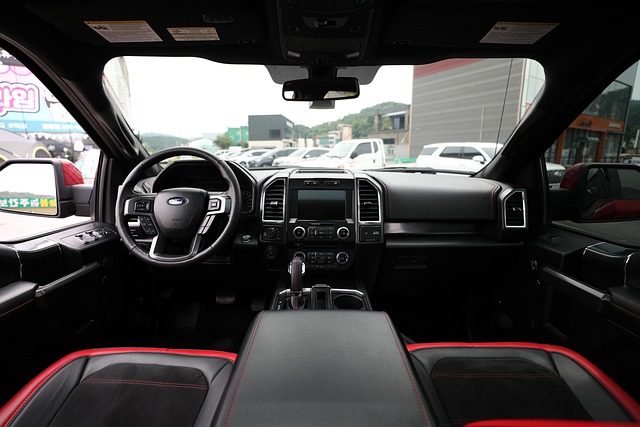
Registering a car in California involves several crucial steps, and one of the most important is completing the Car Registration Application Form accurately. This form serves as a legal document that binds you and your vehicle to the state’s regulations. A simple error could lead to delays or even rejection of your registration request. To ensure smooth sailing through this process, it’s imperative to pay meticulous attention to detail while filling out the form.
The application requires precise and comprehensive information about both the vehicle and the owner. Key fields include the Vehicle Identification Number (VIN), which acts as a unique fingerprint for your car. Using a mobile VIN verifier can facilitate this step by providing accurate data quickly, eliminating potential errors caused by manual transcription. For instance, California’s Department of Motor Vehicles (DMV) accepts online VIN inspections conducted through reputable mobile apps, ensuring both convenience and validity. Similarly, ensure that the make, model, year, and color of your vehicle are accurately reflected to match the information on the title and registration documents.
Additionally, personal details like your full name, address, date of birth, and valid driver’s license number must be entered correctly. Inaccurate or missing information can delay processing, so double-check each field before submission. Remember, even a minor inconsistency might prompt the DMV to request additional documentation, potentially causing significant delays. To streamline the process, consider keeping all relevant documents organized in advance, including your vehicle registration from the previous state, insurance card, and proof of residency. This preparation will help ensure that your registration application is complete and accurate, leading to faster approval.
Pay Registration Fees and Receive Your License Plate

After ensuring your vehicle meets all California vehicle regulations and safety standards, the next step in registering your car is to pay the registration fees and receive your license plates. This process involves several key steps, including the use of a mobile VIN verifier to ensure the vehicle’s history is clean and accurate.
In California, registration fees vary based on the type of vehicle and its emissions status. You can expect to pay a base fee, plus additional charges for emissions testing if your vehicle was manufactured before 1976. To streamline this process, many Californians opt for mobile VIN verification services, which allow for on-site inspections. A mobile VIN verifier can check against national databases to confirm the vehicle’s history, including any prior accidents, outstanding liens, or reported thefts. This service is particularly convenient, as it eliminates the need to visit a DMV field office.
Once your vehicle’s history is confirmed, you’ll need to visit a DMV office to complete the registration. Bring your verified vehicle documents, proof of insurance, and any required fees. A DMV representative will review your information, issue your license plates, and update the vehicle’s records. It’s essential to ensure all details are accurate at this stage, as any discrepancies could lead to future registration issues.
Remember, proper documentation and verification are crucial to a smooth registration process. Utilizing mobile VIN inspection services can save time and effort, ensuring your vehicle’s information is accurate and up-to-date. This, in turn, can help avoid future issues and ensure a seamless driving experience in the Golden State.
By diligently preparing required documents, including accurate VIN verifier information, visiting a California Department of Motor Vehicles (DMV) office, completing the car registration application form correctly, and paying the necessary fees, you can seamlessly register your vehicle in California. This process ensures not only legal compliance but also facilitates a smooth ownership experience. Remember, the VIN verifier is a crucial step, as it verifies your vehicle’s unique identification number, enhancing the accuracy and efficiency of the registration process. These clear takeaways empower you to navigate the car registration procedure with confidence, leveraging the authoritative guidance provided in this article.